

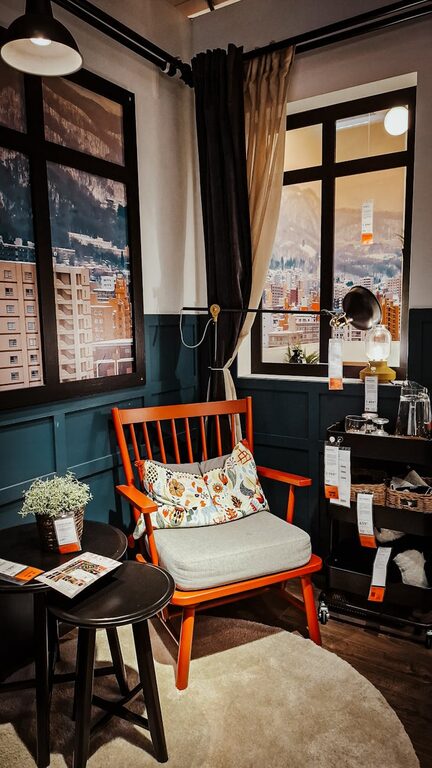
Creating a relaxing home environment is essential for mental well-being and comfort. Two of the most powerful tools in achieving this are lighting and colour. Thoughtful choices in these areas can transform any room into a peaceful retreat from the hustle and bustle of daily life. This guide offers practical tips on selecting lighting and colours that promote relaxation and harmony in your home.
Why Lighting and Colour Matter in Creating Calm Spaces
Lighting affects our mood and energy levels profoundly. Bright, harsh lights may lead to feelings of tension, while dim, warm lighting tends to soothe and comfort us. Similarly, colour influences emotions and perceptions. Soft, muted tones often encourage restfulness, whereas bright, intense hues can be stimulating.
By combining the right lighting with calming colour schemes, you can cultivate a space that supports relaxation and mental clarity.
Choosing the Right Lighting for a Relaxing Home
Opt for Warm Lighting
Lights with a warm colour temperature (around 2700K to 3000K) emit a gentle, yellowish glow reminiscent of sunset. This type of lighting creates a cosy atmosphere ideal for areas like living rooms and bedrooms.
Use Multiple Light Sources
Rather than relying on a single overhead light, consider layering your lighting with a mix of:
– Table lamps
– Floor lamps
– Wall sconces
– Candles
This approach allows you to adjust the light according to mood and time of day, enhancing comfort.
Incorporate Dimmer Switches
Installing dimmer switches enables you to control brightness easily, shifting from bright task lighting to softer ambient light when you want to unwind.
Maximise Natural Light
Take advantage of daylight by choosing window treatments that allow sunlight to filter in while maintaining privacy. Natural light boosts mood and regulation of the body’s internal clock, promoting better sleep patterns.
Selecting Colours That Promote Relaxation
Choose Soft, Neutral Shades
Colours such as pale beige, soft grey, creamy white, and muted pastels create a serene backdrop that doesn’t overwhelm the senses.
Cool Tones Can Calm the Mind
Soft blues, gentle greens, and lavender have been found to lower heart rate and reduce anxiety. These shades work well in bedrooms and bathrooms where tranquility is desired.
Avoid Bright, Intense Colours in Rest Spaces
While energetic reds, oranges, or yellows might be great for social spaces, they can be too stimulating for relaxing areas. Use them sparingly or as accents.
Use Colour Consistently
Keep a cohesive colour scheme throughout connected rooms to ensure a smooth and peaceful flow. Sudden, stark changes in colour can be disruptive.
Combining Lighting and Colour for Maximum Effect
– Pair warm light bulbs with warm wall colours like soft peach or warm taupe to envelop rooms in soothing tones.
– Use cooler lighting for rooms painted in blues or greens to amplify calming effects.
– Accent walls in muted colours combined with subtle lighting create depth without overwhelming the space.
– Layer lighting to highlight artwork or plants painted or dressed in complementary shades to add interest and comfort.
Additional Tips for Enhancing Relaxation Through Lighting and Colour
Use Textured Finishes
Matte or lightly textured paint finishes reduce glare and soften light reflection, adding to relaxation.
Consider Window Coverings
Sheer curtains can diffuse sunlight softly, while blackout options may be necessary for bedrooms to ensure complete darkness.
Incorporate Natural Elements
Wood tones, indoor plants, and natural fibres in rugs or cushions enhance the calming palette and interplay with lighting beautifully.
Create Zones with Lighting
Design different lighting zones—for example, a bright reading corner and a dimly lit sitting area—to suit varying relaxation activities.
Common Mistakes to Avoid
– Using only one type of light source can create harsh shadows or flat atmospheres.
– Overly bright or cool-white fluorescent lighting may cause discomfort and hinder relaxation.
– Choosing colours that clash or are too dark can make rooms feel cramped or stressful.
– Ignoring how natural light changes through the day can result in spaces that feel cold or gloomy at certain times.
Final Thoughts
By paying attention to lighting choices and colour schemes, you can easily tailor your living spaces to support calm and relaxation. Remember that comfort is personal, so experiment with different shades and light settings until your home feels like a peaceful sanctuary just for you.
Creating a soothing environment doesn’t require major renovations—small changes in lighting and soft colour palettes can make a significant difference in how your home feels and functions. Enjoy the process of making your home a haven where you can truly unwind.