

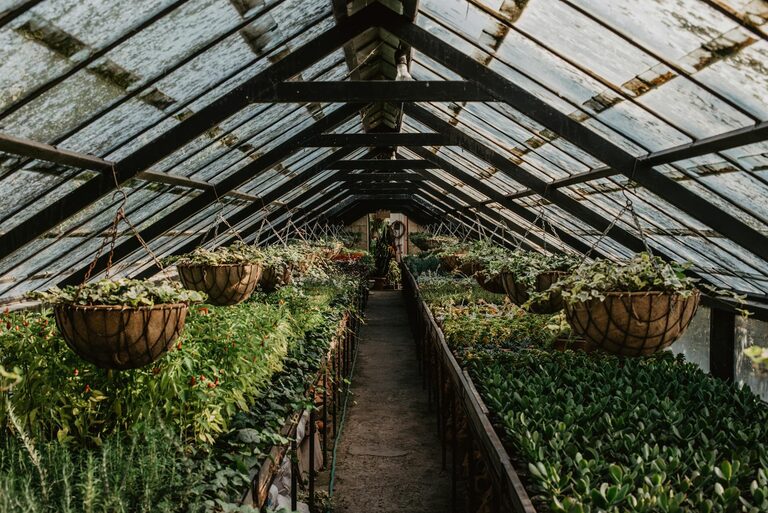
Creating a tranquil garden space at home is a wonderful way to bring peace and relaxation into your daily life. Whether you have a large backyard or a small balcony, there are simple ways to design and organise your outdoor area so that it becomes your personal haven. This guide will walk you through easy steps to help you craft a calming garden environment where you can enjoy fresh air, nature, and quiet moments.
Why Create a Relaxing Garden Space?
Spending time outdoors in a peaceful garden can reduce stress, improve your mood, and give you a gentle connection to nature. A well-planned garden space allows you to escape the hustle and bustle of everyday life and enjoy quality time with family or alone. You don’t need to be a gardening expert or have a big budget to create this relaxing space – just a few thoughtful touches can make a big difference.
Step 1: Choose the Right Location
Start by deciding where to set up your relaxing garden spot. It could be a quiet corner of your garden, a sheltered patio, or even a spot near a window with a view of your plants.
– Consider the sunlight – most plants and comfortable seating areas benefit from some sun but not full exposure all day.
– Seek shelter from strong winds by placing your space near a fence, hedge, or wall.
– Think about privacy – planting shrubs or using garden screens can help create a peaceful nook.
Step 2: Pick Comfortable Seating
A relaxing garden space needs somewhere comfortable to sit and enjoy the surroundings. Options include:
– A garden bench with cushions for softness
– A hammock or swing chair to gently sway and relax
– Outdoor armchairs with weather-resistant cushions
– A small table and chairs set for reading or enjoying tea
Choose seating that suits the size of your garden and your style. Remember to use materials that can withstand the weather, or bring cushions inside when not in use.
Step 3: Add Soft Textures and Colours
Using soft textures and calming colours helps create a soothing atmosphere. This includes:
– Cushions, throws, or rugs in muted tones like pastel blues, greens, or greys
– Natural materials such as cotton, wool, or linen for comfort and breathability
– Decorative items like lanterns or wind chimes that add a gentle sensory experience
Keep colours and accessories simple to avoid visual clutter, helping your mind to relax.
Step 4: Include Scented Plants and Flowers
Fragrant plants can enhance the sense of calm in your garden. Popular choices include:
– Lavender, known for its relaxing scent
– Jasmine, with its sweet aroma
– Rosemary, which also attracts bees and butterflies
– Gardenias and sweet peas for summer fragrance
Plant these near seating areas or along pathways so their scent naturally fills the air.
Step 5: Incorporate Water Features
Water has a calming effect and can mask unwanted noise from nearby roads or neighbours. You don’t need a large pond to enjoy this benefit. Consider:
– A small fountain or bubbler
– A birdbath to encourage wildlife visits
– A simple water bowl with floating candles for evenings
The gentle sound of flowing water helps soothe and relax the mind.
Step 6: Use Soft Lighting
Lighting that is too bright can feel harsh, while soft, warm lights create a welcoming and peaceful environment for evening use.
– Solar-powered garden lights placed along pathways or around seating
– String fairy lights woven through shrubs or pergolas
– Lanterns with flameless candles
Aim for subtle lighting that enhances your garden’s natural beauty without overpowering it.
Step 7: Personalise Your Space
Add elements that make your garden feel like a true retreat. This could be:
– A favourite book or plant pot
– A small sculpture or piece of garden art
– Garden cushions or throws in patterns you love
– Wind chimes for a gentle musical touch
Personal touches help you feel at home and encourage you to spend more time in your garden sanctuary.
Step 8: Maintain Simplicity and Declutter
A relaxing garden space thrives in simplicity. Keep pathways clear, avoid overcrowding plants, and organise gardening tools out of sight. Regularly tend to your plants so the area feels cared for and inviting.
Bonus Tips for Small Spaces
If your outdoor area is limited:
– Use vertical planting with trellises or hanging baskets to maximise greenery
– Foldable furniture that can be easily moved or stored
– A compact water feature like a tabletop fountain
– Focus on scent and texture with a few well-chosen plants to create interest
Even a tiny garden can be transformed into a peaceful escape.
—
Creating a relaxing garden space at home is about making a quiet corner that welcomes you and nurtures your wellbeing. By carefully selecting seating, plants, and gentle decorative touches, you can enjoy your own outdoor sanctuary all year round. Whether reading a book, enjoying a cup of tea, or simply breathing in fresh air, your garden can be a restful retreat just steps from your door. Happy gardening!