

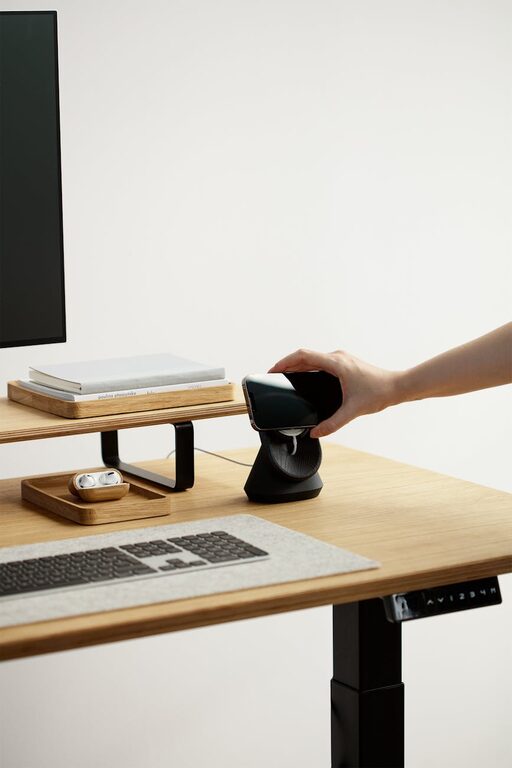
Creating a calm and productive home workspace is essential for anyone working from home or spending significant time on creative or administrative tasks. A well-designed workspace can improve focus, reduce stress, and enhance overall productivity. This guide will offer practical tips and ideas to help you set up a home workspace that feels both calming and conducive to getting work done.
Why a Calm and Productive Workspace Matters
When working from home, distractions are everywhere — from household chores to family members and even your own comfort. A dedicated workspace that balances calm and productivity helps to:
– Create clear boundaries between work and personal life.
– Improve concentration and reduce distractions.
– Encourage positive work habits.
– Support mental well-being by reducing stress.
Organising your workspace thoughtfully makes a noticeable difference in how you approach your workday.
Choosing the Right Location
Find a Quiet Spot
Select a space where you can minimise interruptions. If possible, choose a separate room or a quiet corner away from busy household areas.
Consider Natural Light
Natural light boosts your mood and alertness, so try to position your desk near a window. If natural light is limited, use daylight bulbs or soft ambient lighting to prevent eye strain.
Keep the Space Ventilated
Fresh air helps you stay alert. If your workspace lacks good airflow, consider opening a window or using an air purifier.
Furniture and Equipment for Comfort and Efficiency
Invest in Ergonomic Furniture
Choose a comfortable, supportive chair and a desk at the right height. Ergonomic furniture helps prevent discomfort, allowing you to focus for longer periods.
Declutter Your Desk
A tidy desk reduces distractions. Keep only essential items on your surface and store other materials out of sight.
Organise with Storage Solutions
Use shelves, drawers, or boxes to keep documents and supplies neat. Label storage containers for easy access and to maintain order.
Quality Technology
Reliable equipment such as a good computer, fast internet connection, and quality headset can improve your workflow and communication.
Personalising Your Workspace
Use Calming Colours
Colours like soft blues, greens, or neutral shades create a relaxing atmosphere. Avoid overly bright or harsh colours which can cause eye fatigue.
Add Plants
Indoor plants improve air quality and add a touch of nature, making your workspace feel fresh and serene.
Incorporate Personal Items
A few meaningful items — a photo, a favourite mug, or artwork — can boost your mood without cluttering the space.
Minimising Distractions
Set Clear Work Hours
Communicate your schedule to household members and try to stick to it. This helps others know when you shouldn’t be disturbed.
Limit Digital Interruptions
Turn off non-essential notifications on your phone and computer to maintain focus.
Use Noise Control
If background noise is unavoidable, consider noise-cancelling headphones or ambient sound apps designed to improve concentration.
Establishing a Routine for Productivity
Start Your Day Intentionally
Begin with a short routine that prepares your mind for work, such as light stretching or a few minutes of meditation.
Schedule Breaks
Regular breaks prevent burnout. Follow techniques like the Pomodoro method — working for 25 minutes, then taking a 5-minute break.
End Your Workday Mindfully
Clear your desk and review your to-do list before finishing. This signals to your brain the end of the workday and helps maintain a healthy work-life balance.
Keeping Your Workspace Calm Over Time
Daily Tidying
Spend a few minutes each day organising your desk to keep clutter at bay.
Reassess and Refresh
Periodically review your workspace setup. Adjust items or add new elements to keep your space inspiring and functional.
—
Creating a calm and productive home workspace takes a bit of planning but pays off in a more enjoyable and efficient working experience. By choosing the right location, furnishing your space thoughtfully, personalising with calming touches, and establishing good routines, you can make your home a place where work feels balanced and manageable.